

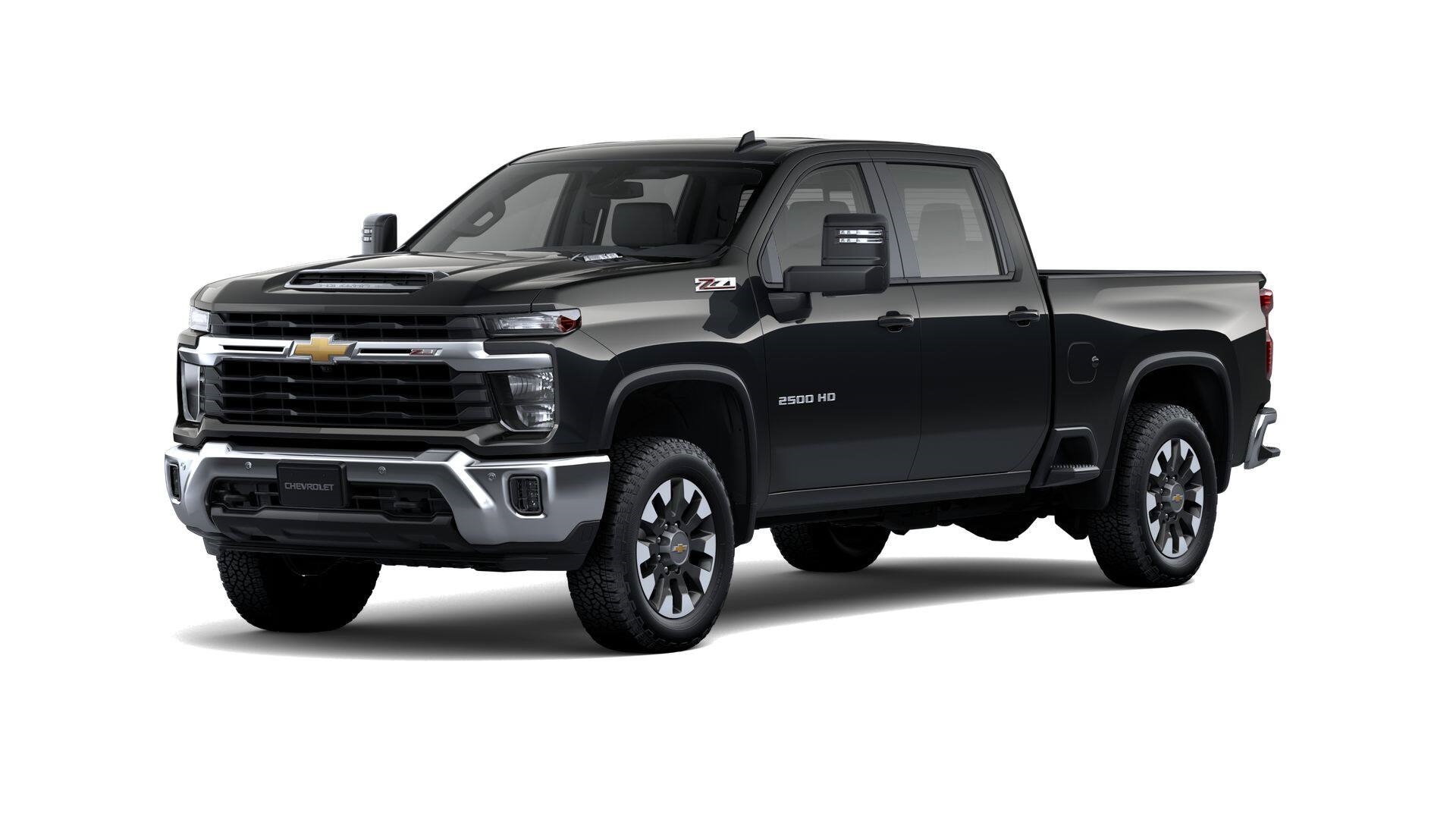
Trading in your current vehicle is often the fastest way to lower the price of your next Chevrolet, but the process can feel like a mystery if you have never done it before. Here is what actually happens, step by step, when you trade in a vehicle at a dealership.
Step One: Getting Your Vehicle Appraised
The process starts with an appraisal. A dealership will look at your vehicle's year, make, model, mileage, trim level, condition, and any accident or service history. Online trade-in estimators can give you a ballpark figure, but the real number comes from an in-person inspection, since photos and mileage entries do not capture everything a trained appraiser notices, like tire wear, interior condition, or how the engine sounds at idle.
If you are coming from anywhere in the south suburbs, whether that is Orland Park, Tinley Park, Mokena, or right here in Frankfort, it is worth bringing your vehicle in rather than relying solely on an online quote. Illinois winters and the stop-and-go driving common on routes like LaGrange Road or 80th Avenue can affect a vehicle's condition in ways a form cannot capture, and dealerships want to give you an accurate number rather than a lowball estimate that changes once you arrive.
Step Two: Understanding How Your Value Gets Applied
Once your trade-in value is set, it gets applied directly to the purchase price of your new Chevrolet. Here is where Illinois residents get a real advantage. Instead of paying sales tax on the full price of your new vehicle, you generally only pay tax on the difference between the new vehicle's price and your trade-in credit. On a vehicle in the $35,000 to $45,000 range, that can mean saving well over a thousand dollars in tax alone, on top of the trade-in value itself.
Step Three: What If You Still Owe Money on Your Trade-In?
Many buyers still have a loan balance on the vehicle they are trading in, and that doesn't stop the process. The dealership pays off your remaining loan balance as part of the transaction. If your trade-in is worth more than what you owe, that difference becomes equity that rolls into your new deal. If you owe more than the vehicle is worth, that negative equity gets factored into your new financing, and a good finance team will walk you through exactly how that affects your monthly payment before you sign anything.
Step Four: The Paperwork
Once the value is agreed upon, the dealership handles the title transfer and payoff paperwork. You will need your vehicle's title (or loan account information if you are still financing it), your registration, and a valid photo ID. If you are financing your new Chevrolet, all of this gets bundled into a single set of documents, so you are not juggling two separate transactions or making a second trip to the DMV.
Common Mistakes to Avoid
The biggest mistake buyers make is not doing basic prep work before their appraisal. A vehicle that has been vacuumed, has its dashboard warning lights addressed, and comes with maintenance records will typically appraise better than one that shows up as-is. Another common mistake is assuming your online trade-in estimate is your final offer. Treat online tools as a starting point, not a guarantee, and let an in-person appraisal give you the real number.
Buyers who commute regularly through New Lenox, Homewood, or Matteson also sometimes underestimate how much daily highway miles affect trade-in value. Higher mileage is not automatically a deal breaker, especially if the vehicle has been well maintained, but it is a factor worth understanding upfront rather than being surprised by later.
Why Trading In Beats Selling Privately for Most Buyers
Selling a vehicle privately can sometimes net a slightly higher number on paper, but it comes with real costs: listing fees, meeting strangers, negotiating back and forth, and handling the title transfer yourself. Trading in consolidates all of that into one visit, applies your value immediately toward a new vehicle, and reduces your tax burden in the process. For most buyers in the Chicagoland area, the time saved and tax advantage make trading in the more practical choice.
When you visit Phillips Chevrolet, with locations in Frankfort, Lansing, and Bradley, you’re visiting the best in the business. Family-owned and operated for over 50 years, we don't just sell cars; we build relationships. Our commitment to excellence has earned us the title of Cars.com 'Chevrolet Dealer of the Year, ' ranking #1 in the United States among over 3,000 Chevy dealerships, and recognition as the #1 Selling Chevy Dealer in Illinois for 20 years in a row. We are also a JD Power 'Dealer of Excellence' and proudly maintain an A+ Rating with the Better Business Bureau. With Illinois’ largest Chevrolet inventory and a team dedicated to award-winning service, we’re ready to help you find your next dream car.
Ready to Trade In?
If you are ready to see what your current vehicle is worth toward a new Chevrolet, the best next step is a straightforward, no-pressure appraisal. Stop by Phillips Chevrolet and let our team walk you through your trade-in value, your new vehicle options, and exactly how much you will save, with zero guesswork and zero pressure.
FAQ: Trading in Your Vehicle for a New Chevrolet
Q: Does my trade-in value reduce the sales tax I pay in Illinois?
A: Yes. In most cases, Illinois calculates sales tax on the difference between your new vehicle's price and your trade-in value, which can mean significant tax savings compared to paying tax on the full purchase price.
Q: Can I trade in a vehicle I still owe money on?
A: Absolutely. The dealership pays off your remaining loan balance as part of the transaction. Any remaining equity applies toward your new purchase, and any negative equity gets factored into your new financing.
Q: How accurate are online trade-in value estimators?
A: They are a helpful starting point but not a final number. An in-person appraisal accounts for actual condition, mileage, and vehicle history that online tools cannot fully capture.
Q: What documents do I need to trade in my vehicle?
A: You will need your title or loan account information, current registration, and a valid photo ID. If you are financing a new vehicle, this paperwork gets combined into a single transaction.
Q: Is trading in better than selling my car privately?
A: For most buyers, yes. Trading in saves time, avoids the hassle of a private sale, and reduces your tax liability, all while immediately applying toward your new Chevrolet purchase.