

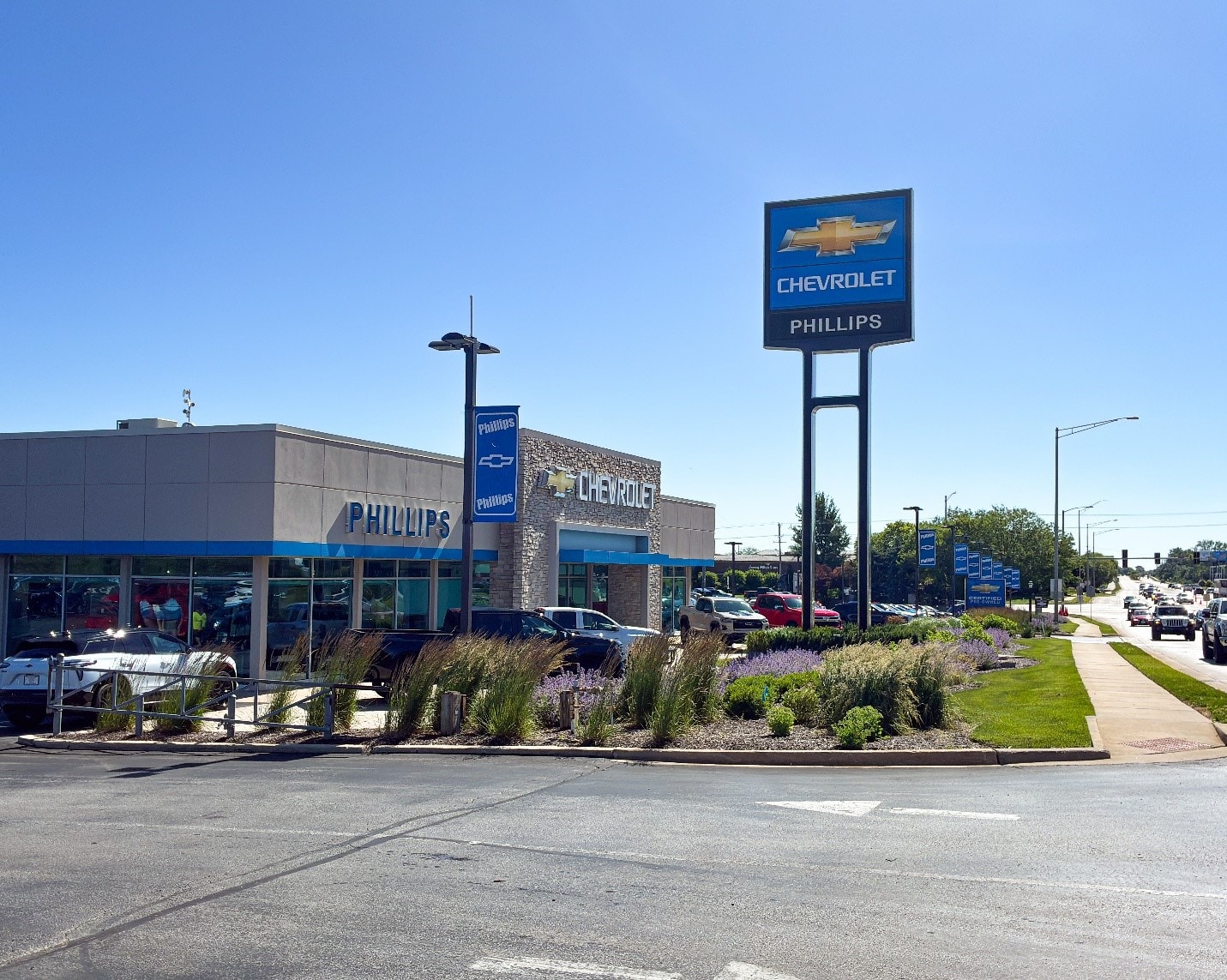
Car shopping has a reputation problem, and it’s not undeserved. Ask ten people in Chicagoland about their last dealership visit and at least half will mention feeling rushed, cornered, or talked into add-ons they didn’t want. That reputation is exactly why “low-pressure Chevy dealer near me” has become one of the most common searches for Illinois buyers. The good news is that low-pressure buying isn’t a myth or a marketing slogan. It’s a specific set of practices you can identify before you ever set foot on a lot.
What “Low-Pressure” Actually Means
A genuinely low-pressure dealership isn’t just “friendly.” It’s structural. The sales process itself is built to remove the incentives that create pushy behavior in the first place. Here’s the direct answer, since this is the kind of question that deserves one up front: a low-pressure dealership pays its sales team on a model that doesn’t reward high-pressure closing tactics, publishes real prices instead of hiding them behind “call for a quote,” and lets you test drive, research, and walk away without a chase-down phone call the next morning.
If a dealership can’t tell you clearly how its sales staff gets paid, that’s a signal worth noting.
The Non-Commission Question
Traditional commission structures create a simple math problem for salespeople: the higher the price you pay and the more add-ons you accept, the bigger their paycheck. Commissioned salespeople aren't bad people. It’s that the incentive is baked into the system. Dealerships that have moved away from pure commission, including Phillips Chevrolet’s approach, change that math. When pay isn’t tied to squeezing extra dollars out of every deal, the conversation shifts from “how do I close this” to “what does this driver actually need.” That’s a meaningful difference for anyone commuting the Stevenson, the Bishop Ford, or I-57 every day and just wants a reliable vehicle without the theater.
Pricing Transparency Is a Litmus Test
Here’s a quick test you can run from your couch before ever driving to Frankfort, Orland Park, or Tinley Park: pull up a dealership’s website and try to find an actual price on a specific vehicle. If every listing says “Call for Price” or requires you to submit your phone number before seeing a number, that’s a dealership designed around getting you on the phone, not around giving you information. Dealers with posted pricing, upfront pledges, or transparent pricing tools are signaling that they’re comfortable letting the number speak for itself. Phillips Chevrolet’s Price Pledge is built around exactly this idea: one fair price, posted upfront, without the back-and-forth negotiation theater that makes so many buyers dread the process.
Reading the Room During Your First Visit
You can often tell within the first five minutes whether a dealership is going to be low-pressure. Watch for whether the salesperson asks about your needs before walking you to a specific vehicle, whether they’re comfortable with you test driving alone versus insisting on riding along the entire time, and whether they mention financing options only after you’ve actually chosen a vehicle rather than leading with monthly payment numbers designed to obscure the total price. None of these are deal breakers on their own, but together they paint a picture of a sales culture.
Why Inventory Size Matters More Than You’d Think
There’s a less obvious factor in dealership pressure tactics: inventory. A dealer with a thin lot has a real incentive to push whatever happens to be sitting there, because scarcity creates urgency, and urgency creates pressure. A dealer with Illinois’ largest Chevrolet inventory, spanning Silverados, Equinoxes, Traverses, Tahoe's, and everything in between, doesn’t need to talk you into the wrong vehicle because the right one is already on the lot. That matters whether you’re commuting from Homewood, hauling equipment out of New Lenox, or shuttling kids around Mokena and Matteson.
Service After the Sale Tells the Real Story
Low-pressure buying isn’t only about the moments before you sign. It extends into how a dealership treats you once you own the vehicle. Dealerships that view the sale as the finish line tend to have thin service departments and slow follow-up. Dealerships that view the sale as the beginning of a relationship invest in service quality, because they’re planning on seeing you again for maintenance, your next trade-in, or your next Chevy entirely. That long-view approach is usually a reliable indicator of how they treated you during the purchase, too.
Bringing It Together
Finding a low-pressure Chevy dealer in Illinois comes down to research you can do before you ever leave home: check how sales staff are compensated, look for transparent pricing, gauge inventory depth, and pay attention to how service and follow-up are handled. Buyers across Frankfort, Lansing, Bradley, and the greater south suburbs have consistently found that dealerships built around these principles make car buying feel like a transaction between equals instead of a negotiation you have to win.
Ready for a Different Kind of Car-Buying Experience?
If you’re tired of dealerships that treat you like a number instead of a neighbor, it’s time to visit Phillips Chevrolet. Stop by our Frankfort, Lansing, or Bradley location, browse Illinois’ largest Chevrolet inventory online, or reach out to our team to schedule a no-pressure test drive on your schedule, not ours.
When you visit Phillips Chevrolet, with locations in Frankfort, Lansing, and Bradley, you’re visiting the best in the business. Family-owned and operated for over 50 years, we don't just sell cars; we build relationships. Our commitment to excellence has earned us the title of Cars.com 'Chevrolet Dealer of the Year, ' ranking #1 in the United States among over 3,000 Chevy dealerships, and recognition as the #1 Selling Chevy Dealer in Illinois for 20 years in a row. We are also a JD Power 'Dealer of Excellence' and proudly maintain an A+ Rating with the Better Business Bureau. With Illinois’ largest Chevrolet inventory and a team dedicated to award-winning service, we’re ready to help you find your next dream car.
FAQ: Low-Pressure Chevy Buying in Illinois
Q: How do I know if a Chevy dealership uses high-pressure sales tactics before visiting?
A: Check their website for transparent, posted pricing rather than “call for price” listings, and look up how their sales staff is compensated. Dealerships that avoid commission-based pay structures typically have less incentive to pressure buyers.
Q: Is a non-commission sales model actually better for buyers?
A: Generally, yes. Non-commission models remove the direct financial incentive for salespeople to upsell or rush a deal, which tends to result in a more consultative, needs-based buying experience.
Q: Does a larger inventory really reduce sales pressure?
A: It can. Dealerships with limited inventory sometimes create urgency around whatever vehicles they have on hand. A dealer with a large, varied inventory can match you to the right vehicle without pushing you toward what’s simply available.
Q: What should I bring to a low-pressure dealership visit?
A: Your driver’s license, proof of insurance, and any trade-in paperwork if applicable. Beyond that, come with your budget and needs clearly in mind so the conversation stays focused on the right vehicle for you.