

Search “new Chevy near me” from anywhere in Chicagoland, and you’ll get a wall of results. Big-box dealer groups, small independent lots, franchise stores in every direction on the Tri-State or I-57. So how do you actually tell them apart before you burn a Saturday driving between showrooms?
The short answer: compare dealerships the same way you’d compare vehicles, on specific, measurable factors, not just proximity. Here’s how to do that without wasting a weekend.
Start with Inventory Depth, Not Just Inventory Existence
Almost every Chevy dealer near Chicago will tell you they have “a great selection.” That claim means very little on its own. What matters is depth within the trims and configurations you actually want.
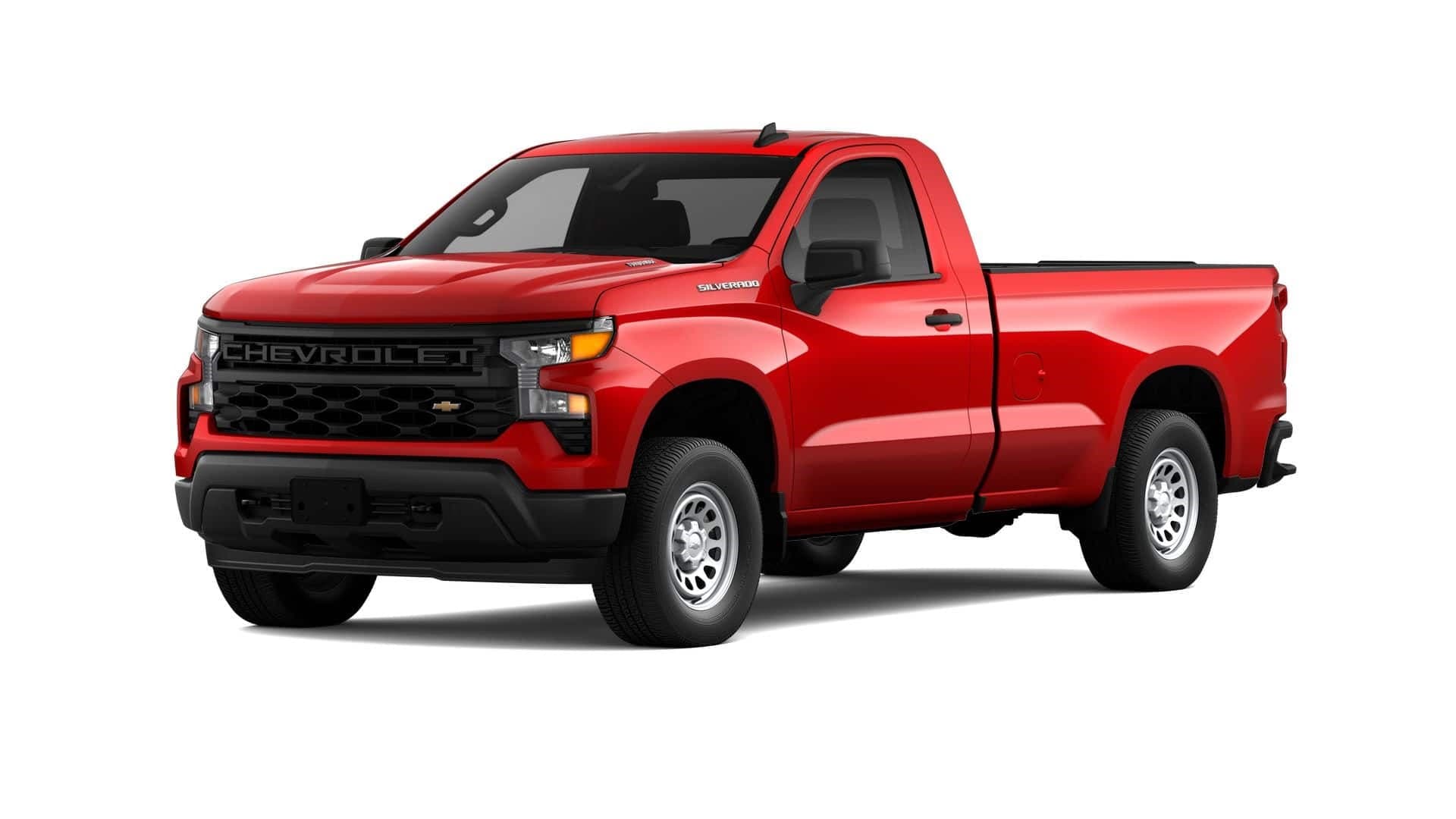
If you’re cross-shopping a Silverado 1500 in a specific cab and bed combination, or an Equinox in a particular trim and color, a dealer with 40 Silverados on the lot gives you real negotiating leverage and a real chance of driving home the same day. A dealer with 6 gives you a factory order and a wait. Ask directly: how many units of this exact model do you have on the ground right now? A dealership willing to give you a real number, not a vague “plenty,” is one worth taking seriously.
Compare Pricing Structure, Not Just Sticker Price
Two dealers can list the same Trax at similar prices and still cost you very differently by the time you sign. Some dealerships build in mandatory add-ons (paint protection packages, etching fees, dealer-installed accessories) that inflate the out-the-door number well past what you compared online. Others negotiate every deal car by car, which sounds flexible until you realize it also means every buyer pays a different price for the identical vehicle depending on how well they haggled.
A transparent, published pricing approach removes that guesswork. Ask any dealer you’re considering whether their advertised price is the price, or a starting point for negotiation. The answer tells you a lot about what the rest of the buying process will look like.
Weigh the Sales Experience Itself
Commission-based sales structures aren’t inherently bad, but they do create an incentive for a salesperson to steer you toward higher-margin vehicles or add-ons rather than the configuration that actually fits your life. A non-commission model changes that dynamic. It’s worth asking directly whether the sales team works on commission, because the answer shapes the entire conversation you’re about to have.
Factor in Location, But Don’t Overweight It
Distance matters less than it feels. A dealership 20 minutes farther down I-80 or Route 30 that has the trim you want in stock, transparent pricing, and a service department that can actually get you in quickly is a better choice than the closest lot that makes you compromise on all three. Chicagoland traffic patterns mean a dealership in the south suburbs, say Frankfort, Orland Park, or Tinley Park, can often be reached faster from the city or the collar counties than a downtown dealer buried in construction and congestion.
That said, location does matter for the long haul. You’ll be back for oil changes, tire rotations, and warranty work for years. A dealer that’s a reasonable drive from Joliet, New Lenox, Mokena, or Homewood beats one that’s convenient once and inconvenient every visit after.
Check Service Reputation Before You Buy, Not After
Buyers routinely research the sales side and skip researching the service side entirely, then get surprised when scheduling an appointment takes two weeks. Look at service reviews specifically, not just overall dealership ratings. Ask about loaner vehicles, average wait times for common maintenance, and whether the service team is factory-trained on the specific model you’re buying.
Look at Independent Recognition, Not Just Star Ratings
Star ratings are easy to game and hard to verify. Third-party industry recognition is harder to fake. Awards like Cars.com’s Dealer of the Year, JD Power’s Dealer of Excellence, or a sustained top-selling ranking within the state say something star ratings alone can’t: that the dealership performs well across a large volume of real transactions, not just a curated handful of reviews.
Bringing It All Together
When you line these factors up (inventory depth, pricing transparency, sales structure, realistic location, service reputation, and independent recognition) the choice usually gets clearer fast. The dealership that wins on all six is rarely the flashiest one online. It’s usually the one that’s been quietly doing this well for decades.
Ready to See the Difference for Yourself?
If you’re weighing your options for a new Chevy near Chicago, put Phillips Chevrolet on your comparison list and see how we measure up. Stop by our Frankfort, Lansing, or Bradley location, browse Illinois’ largest Chevrolet inventory, and talk to a no-commission sales team that’s focused on finding your fit, not hitting a quota.
When you visit Phillips Chevrolet, with locations in Frankfort, Lansing, and Bradley, you’re visiting the best in the business. Family-owned and operated for over 50 years, we don't just sell cars; we build relationships. Our commitment to excellence has earned us the title of Cars.com 'Chevrolet Dealer of the Year, ' ranking #1 in the United States among over 3,000 Chevy dealerships and recognition as the #1 Selling Chevy Dealer in Illinois for 20 years in a row. We are also a JD Power 'Dealer of Excellence' and proudly maintain an A+ Rating with the Better Business Bureau. With Illinois’ largest Chevrolet inventory and a team dedicated to award-winning service, we’re ready to help you find your next dream car.
FAQ: Buying a New Chevy Near Chicago
Q: What’s the best way to compare Chevy dealers near Chicago?
A: Compare them on inventory depth for the specific trim you want, whether pricing is transparent or negotiated case by case, whether the sales team works on commission, and the dealership’s service reputation, rather than relying on distance or star ratings alone.
Q: Does driving farther for a dealership actually save money?
A: It can. A dealership slightly outside your immediate area but with deeper inventory and transparent pricing often costs less overall than the closest lot, even after factoring in the drive.
Q: How do I know if a dealership’s advertised price is negotiable?
A: Ask directly before you go. A dealer with a one-price or transparent pricing model will tell you upfront that the listed price is the price, no back-and-forth required.
Q: Why does it matter if a dealership works on commission?
A: Commission structures can incentivize salespeople to push higher-margin vehicles or add-ons. A non-commission model removes that pressure and keeps the focus on matching you with the right vehicle.
Q: How important is the service department when choosing where to buy?
A: Very. You’ll return for maintenance for years after the sale, so check service wait times, loaner availability, and factory training before you buy, not after.