

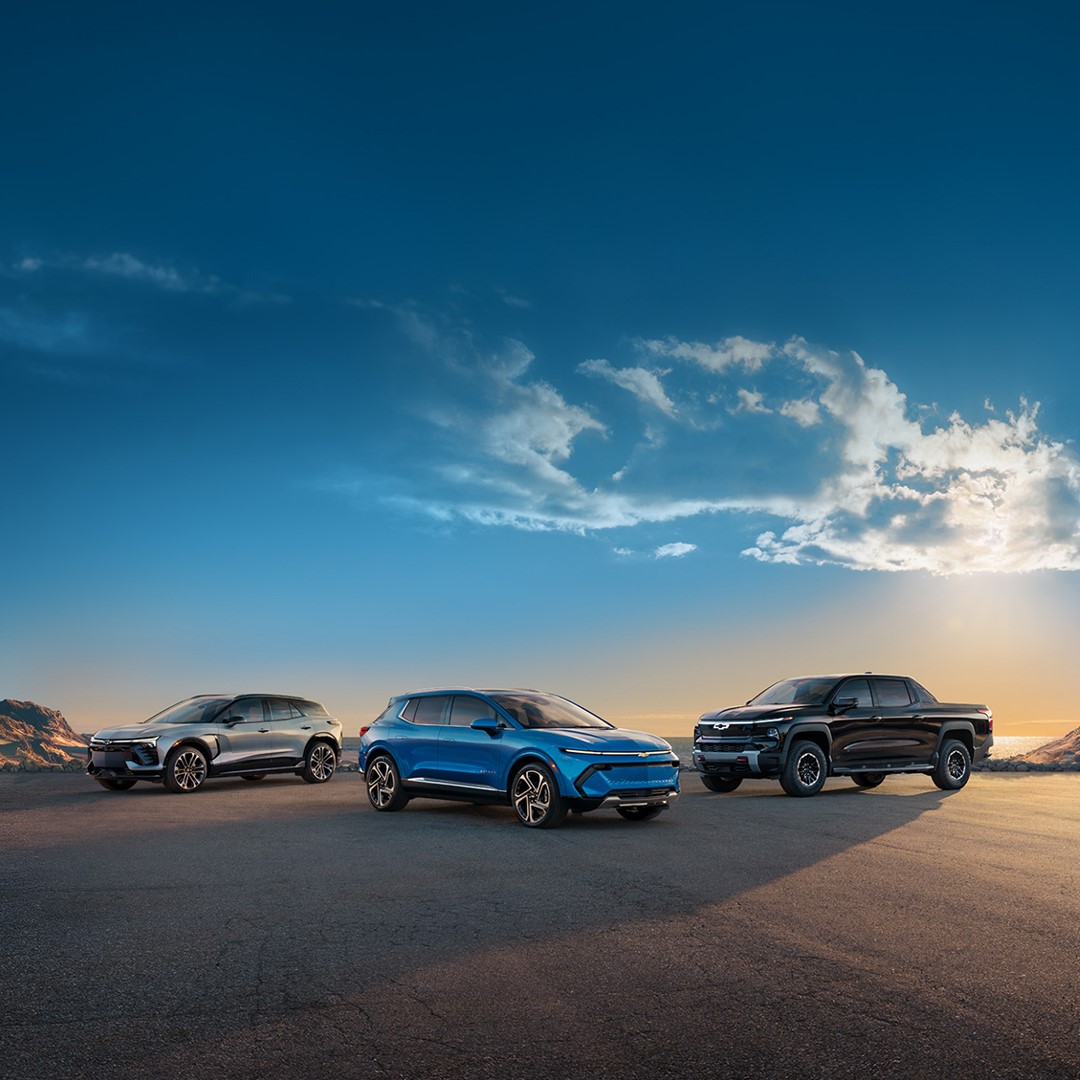
Before you trade a gas-powered vehicle for an EV, confirm five things: where you will charge, how far you really drive, how Illinois winters affect range, what you tow or haul, and what the switch costs over several years. Get those right, and the transition is smooth. Skip them, and it can feel like a gamble. Here is how each one plays out for drivers around Frankfort and the south suburbs.
Start with Where the Vehicle Will Charge
Most EV charging happens at home overnight, so your garage matters more than any public network. A standard 120-volt outlet adds only a few miles of range per hour. A 240-volt Level 2 charger can refill most batteries overnight and is what most owners install. If you own a home in Tinley Park or New Lenox, the job is usually simple, but have an electrician check your panel first. If you rent or live in a condo, ask about shared charging before you commit.
Measure Your Real Week, Not Your Longest Trip
Many shoppers worry about the one long road trip a year and overlook the 50 ordinary weeks. Track your actual mileage for seven days. A typical commute, even from the south suburbs into Chicago on I-57 or I-55, usually sits well within an EV’s range. Stop-and-go traffic on the Stevenson or the Dan Ryan is easier on an EV than a gas engine because regenerative braking recovers energy while you slow down. Sustained interstate speeds use more power, so plan longer highway runs with a charging stop in mind.
Respect the Illinois Winter
Cold weather reduces EV range because batteries are less efficient and cabin heating draws power. Expect a noticeable drop on the coldest January mornings. You can offset much of it by parking in a garage, preconditioning the cabin while the vehicle is still plugged in, and using heated seats instead of blasting the cabin heater. Drivers in La Grange or Chicago who park on the street should think harder about charging access before the first snowfall.
Be Honest About Towing and Hauling
Truck owners should pay the most attention here. Towing cuts range in an EV, and it cuts fuel economy in a gas truck too. If you pull a trailer to a job site in Joliet, haul a boat, or load a bed every week, test the exact setup you plan to use. Some owners find an electric truck fits their routine perfectly. A gas Silverado better serves others with a proven towing record. Neither answer is wrong, but you should choose with real numbers, not assumptions.
Compare Total Cost, Not Just the Sticker Price
EVs often cost less to fuel and maintain, with no oil changes and fewer moving parts to service. But insurance rates, tire wear, and Illinois’s added EV registration fee belong in the math too. Incentives and financing offers change often, so ask a dealership for current numbers instead of relying on an old article. A good salesperson should help you compare total cost of ownership over a few years.
Ready to Talk Trucks?
Whether you are leaning electric or want to stay with gas, the smartest move is to drive the real thing. Browse the Silverado lineup at Phillips Chevrolet, compare configurations side by side, and ask our team to match a truck to your commute, your trailer, and your budget. Shop a Chevrolet Silverado at Phillips Chevrolet today.
When you visit Phillips Chevrolet, with locations in Frankfort, Lansing, and Bradley, you’re visiting the best in the business. Family-owned and operated for over 50 years, we don't just sell cars; we build relationships. Our commitment to excellence has earned us the title of Cars.com 'Chevrolet Dealer of the Year, ' ranking #1 in the United States among over 3,000 Chevy dealerships, and recognition as the #1 Selling Chevy Dealer in Illinois for 20 years in a row. We are also a JD Power 'Dealer of Excellence' and proudly maintain an A+ Rating with the Better Business Bureau. With Illinois’ largest Chevrolet inventory and a team dedicated to award-winning service, we’re ready to help you find your next dream car.
FAQ: Switching from Gas to an EV
Q: How long does it take to charge an EV at home?
A: It depends on the vehicle and the charger. A Level 2 home charger can typically refill most batteries overnight, while a standard household outlet is much slower.
Q: Do EVs work in Illinois winters?
A: Yes, but range drops in extreme cold. Garage parking, preconditioning while plugged in, and heated seats help you keep more of it.
Q: Can an electric truck tow as well as a gas truck?
A: It can tow, but towing reduces range significantly. Your typical load and distance should drive the decision, so test your real setup before you buy.
Q: Are EVs really cheaper to maintain?
A: Often, yes. You skip oil changes and some engine-related service, though tires, insurance, and registration still count toward total cost.
Q: Do I need a home charger before I buy?
A: Not always, but it makes ownership far easier. Plan your charging setup before delivery day.