

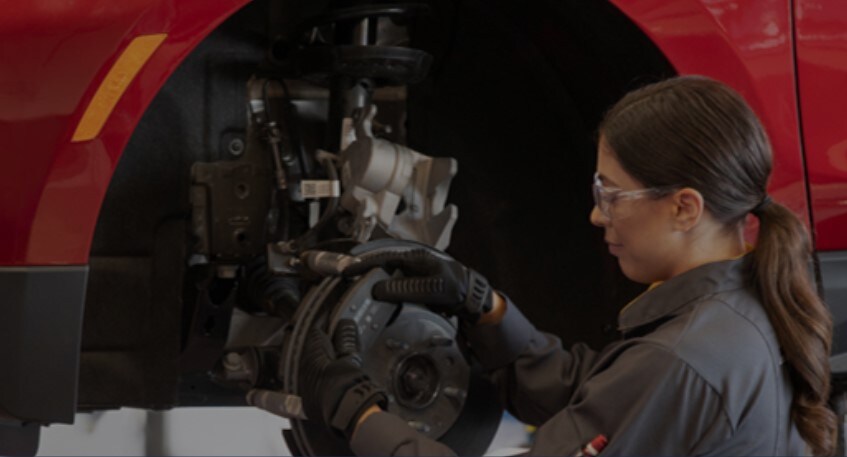
Your brakes are the system you rely on every trip, and they rarely fail without warning. A Chevrolet brake inspection helps you catch minor wear before it becomes a costly repair or a close call. Here is what happens during one, what to listen for between visits, and why Illinois driving makes it matter.
What Is a Chevrolet Brake Inspection?
A Chevrolet brake inspection is a hands-on check of the parts that slow and stop your vehicle: brake pads, rotors, calipers, brake fluid, lines, and hoses. A technician measures wear, looks for leaks or corrosion, and confirms the system performs as designed, so repairs happen before braking power drops.
Signs Your Brakes Need Attention
You do not have to wait for a scheduled visit if your vehicle is telling you something. Watch for these:
- A high-pitched squeal when you press the pedal, often from the built-in wear indicators on the pads
- A deep grinding sound, which can mean the pads are worn down to metal
- A pedal that feels soft, spongy, or sinks farther than it used to
- A steering wheel or pedal that shudders when you slow down
- The vehicle pulling to one side under braking
- A brake warning light on the dash
Any of these deserves a prompt look. Grinding in particular tends to get more expensive the longer it continues.
What Technicians Actually Check
Pads come first. Technicians measure remaining friction material, and many shops flag pads that are getting close to roughly 3 millimeters. Rotors are inspected for thickness, scoring, and warping. Calipers should move freely, since a sticking caliper wears pads unevenly and can overheat a wheel.
Brake fluid gets attention too. It absorbs moisture over time, which lowers its boiling point and can invite corrosion inside the system. Technicians also trace brake lines and hoses for cracks, bulges, and rust, and they test the parking brake. Your owner’s manual lists the recommended service intervals for your specific model, and that is the schedule to follow.
Why Illinois Roads Are Tough on Brakes
Chicagoland driving is a stress test. If you commute into the city on the Dan Ryan or the Stevenson, you know the pattern: stretches of speed followed by sudden standstill. That repeated hard stopping wears pads and rotors faster than steady highway miles do.
Then there is winter. Road salt and slush spend months on the roads from La Grange to Tinley Park, and they work their way into calipers, brake lines, and hardware. Corrosion is a quiet problem because everything can feel fine until a part seizes. A pre-winter inspection, which is perfect timing right about now, gives you a clear picture before the first real snow.
Potholes add to it. After a freeze and thaw cycle, a hard hit can knock a caliper or suspension component out of alignment, which affects how evenly your brakes grab.
Brakes and Truck Ownership
Trucks ask more of their brakes. A Silverado hauling a trailer, a loaded bed, or a work crew’s gear carries far more momentum than an empty one, and every stop turns that weight into heat. Drivers around New Lenox who tow boats, equipment, or landscaping trailers should treat brake inspections as part of regular truck care, not an afterthought.
If you use your truck for work, consider an inspection before any heavy season of hauling. Uneven pad wear and low fluid are easier to fix on your schedule than on the shoulder with a trailer behind you. Also tell the technician how you use the truck. Frequent towing and plowing can change what a sensible inspection interval looks like.
How Often Should You Get Your Brakes Inspected?
There is no single number that fits every driver. Stop-and-go commuting, towing, hilly routes, and salted winter roads all shorten the interval. As a practical habit, ask for a brake check whenever you bring your vehicle in for a tire rotation or routine service, since the wheels are already off and the technician has a clear view. Your owner’s manual and your driving conditions together should guide the schedule.
When you visit Phillips Chevrolet, with locations in Frankfort, Lansing, and Bradley, you’re visiting the best in the business. Family-owned and operated for over 50 years, we don't just sell cars; we build relationships. Our commitment to excellence has earned us the title of Cars.com 'Chevrolet Dealer of the Year, ' ranking #1 in the United States among over 3,000 Chevy dealerships, and recognition as the #1 Selling Chevy Dealer in Illinois for 20 years in a row. We are also a JD Power 'Dealer of Excellence' and proudly maintain an A+ Rating with the Better Business Bureau. With Illinois’ largest Chevrolet inventory and a team dedicated to award-winning service, we’re ready to help you find your next dream car.
FAQ: What Should You Know About a Chevrolet Brake Inspection?
Q: How long does a brake inspection take?
A: Many inspections are completed within a single service visit, though the time depends on the shop’s schedule and whether any repairs are needed afterward.
Q: Does a brake inspection mean I will need repairs?
A: Not necessarily. Often the result is a clean bill of health or a heads up on how many miles your pads have left, so you can plan ahead.
Q: Can I drive with squealing brakes?
A: A squeal is an early warning, not an emergency, but it should not be ignored. Grinding, a soft pedal, or a warning light means you should have the vehicle checked right away.
Q: Do trucks need more frequent brake checks than cars?
A: Often, yes, especially if you tow or haul regularly. Extra weight means extra heat and wear, so heavy use can justify more frequent inspections.
Q: Should I get my brakes checked before winter?
A: It is a smart move. Early inspection helps catch corrosion and wear before salt and slush make them worse.
Q: Does a new vehicle still need brake inspections?
A: Yes. Wear depends on how you drive, not just the odometer, so even newer vehicles benefit from periodic checks.