

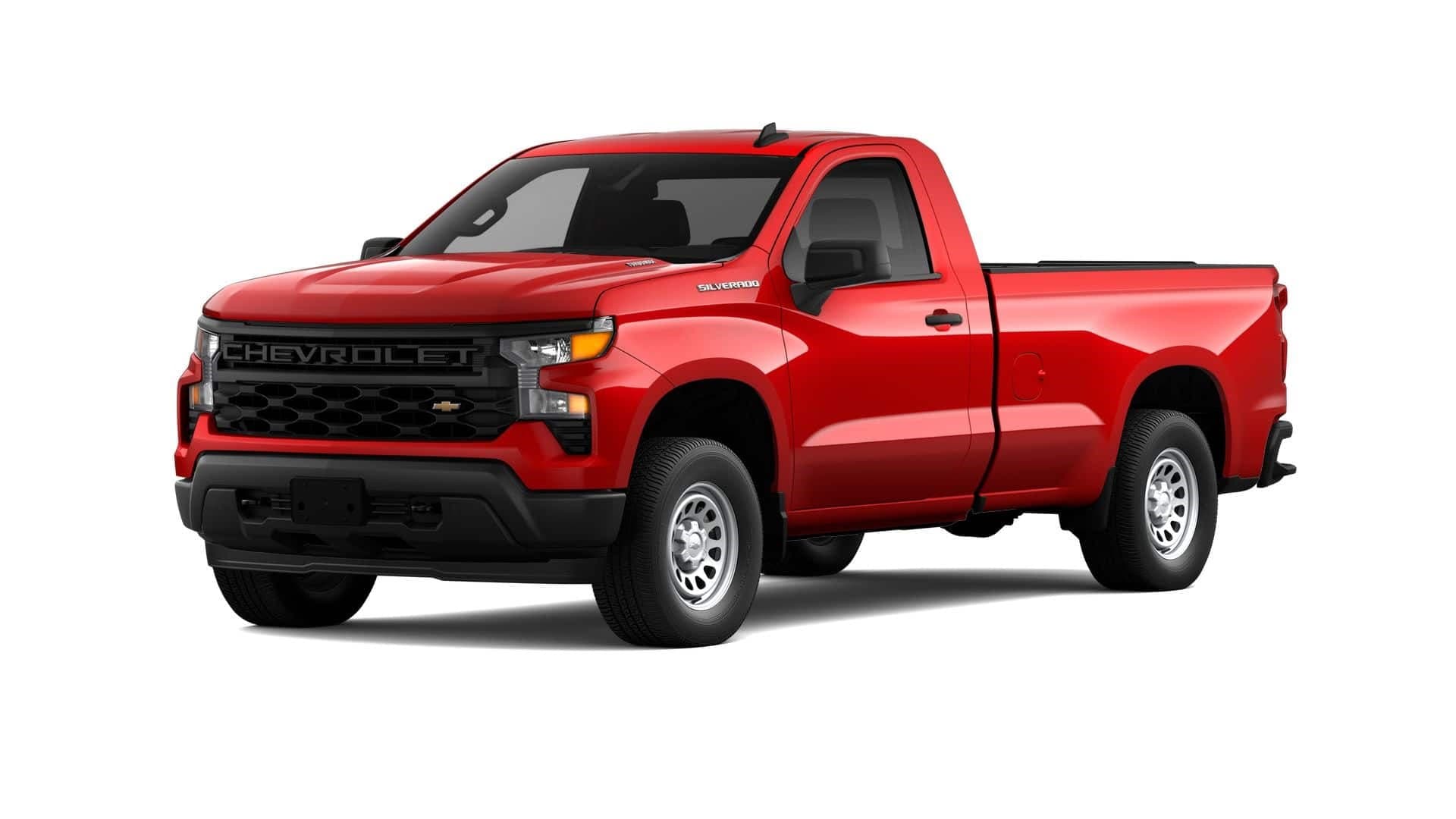
You've probably seen it happen. Two Chevy Equinoxes sitting side by side on a lot, same color, same year, and yet the price tags are thousands apart. It's not a pricing error, and it's not a sales gimmick. It's the result of a dozen small variables stacking up into one final number. If you're shopping for a new or used Chevrolet anywhere in the Chicagoland area, understanding those variables will make you a sharper, more confident buyer.
The Trim Level Is Doing More Work Than You Think
Most shoppers know that a Silverado LT costs more than a Silverado WT, but the gap between trims within the same nameplate can be surprisingly wide. Chevrolet builds trim levels around bundles of features, not single upgrades. Moving from a base trim to a mid-tier trim might unlock a stronger engine option, a different suspension tune, upgraded seating, and a more advanced infotainment system all at once. You're not paying for one extra feature. You're paying for an entire package of them, and manufacturers price those packages to reflect the total value, not the individual parts.
Options and Packages Add Up Fast
Beyond trim level, factory-installed options are where pricing really starts to diverge. A sunroof here, a tow package there, heated seats for the Illinois winters, a premium sound system. Each option might only add a few hundred dollars on its own. Still, a heavily optioned vehicle can end up costing several thousand more than an identically trimmed vehicle with fewer add-ons. This is especially noticeable with trucks and SUVs, where towing packages, off-road suspension, and driver-assist tech bundles can shift the price significantly. Two Traverses with the same trim badge can look nearly identical from across the lot and still carry very different window stickers once you check the option list.
Where the Vehicle Was Built and How It Got Here
Chevrolet standardizes destination charges, but where a vehicle sits in the supply chain still affects price. A vehicle that's been on the lot longer, or one that required additional transport logistics, can carry different dealer costs than a vehicle that arrived more recently. This is less visible to shoppers, but it's part of why identical builds sometimes carry different asking prices between dealerships, or even within the same lot.
New, Certified Pre-Owned, or Used Changes Everything
This one seems obvious until you're actually comparing listings. A certified pre-owned Chevy goes through a multi-point inspection, often comes with an extended warranty, and typically carries a price premium over a comparable used vehicle without certification. If you're cross-shopping a CPO Equinox against a standard used Equinox with similar mileage, the CPO vehicle's higher price reflects that inspection and warranty coverage, not inflated markup. It's a genuine value difference, not just a label.
Mileage, Condition, and Vehicle History
For used and CPO vehicles, mileage remains one of the biggest price drivers, but it's not the only one. Accident history, number of previous owners, and how well the vehicle was maintained all factor into valuation. A Silverado with 40,000 highway miles from a single owner will often price differently than one with 40,000 mixed city and highway miles and a rougher maintenance record, even though the odometer reads the same. If you've spent years navigating stop-and-go traffic on the Bishop Ford or I-80 through the south suburbs, you already know that not all miles are created equal, and neither is the wear they leave behind.
Regional Demand and Local Market Conditions
Pricing also responds to what's actually selling in your area. In a region where trucks and SUVs move quickly, like much of the south suburbs and greater Chicagoland, dealers price accordingly based on local demand and available inventory. A vehicle that's in high demand locally, whether that's a 4WD Silverado ahead of winter or a fuel-efficient Trax for commuters heading into the city, may be priced differently than the same vehicle would be in a market where it sits longer.
How to Compare Vehicles the Right Way
The smartest way to compare two similar Chevrolets is to look past the sticker and check the build sheet. Compare trim, options, mileage, certification status, and history side by side. A few thousand dollars in price difference usually has a clear, traceable explanation once you break down what each vehicle actually includes.
Ready to see how these factors play out on real inventory? Stop by Phillips Chevrolet in Frankfort, Lansing, or Bradley, and our team will walk you through exactly what you're paying for and why, so you can shop with total confidence.
When you visit Phillips Chevrolet, with locations in Frankfort, Lansing, and Bradley, you’re visiting the best in the business. Family-owned and operated for over 50 years, we don't just sell cars; we build relationships. Our commitment to excellence has earned us the title of Cars.com 'Chevrolet Dealer of the Year, ' ranking #1 in the United States among over 3,000 Chevy dealerships and recognition as the #1 Selling Chevy Dealer in Illinois for 20 years in a row. We are also a JD Power 'Dealer of Excellence' and proudly maintain an A+ Rating with the Better Business Bureau. With Illinois’ largest Chevrolet inventory and a team dedicated to award-winning service, we’re ready to help you find your next dream car.
FAQ: Chevrolet Pricing
Q: Why do two vehicles with the same trim level have different prices? A: Factory-installed options, packages, mileage, and vehicle history all affect price even when the trim level matches. Two vehicles can share a trim badge while carrying very different feature sets underneath it.
Q: Is a certified pre-owned Chevy worth the higher price? A: Often, yes. CPO vehicles undergo a multi-point inspection and typically include extended warranty coverage, which explains the price premium over a comparable non-certified used vehicle.
Q: Does location affect Chevrolet pricing? A: Local demand and inventory levels influence pricing. Vehicles that are in higher demand in a specific region, like trucks and SUVs across Chicagoland, are priced with that local market in mind.
Q: What's the best way to compare two similar vehicles? A: Look at the full build sheet rather than just the price tag. Compare trim level, installed options, mileage, and for used vehicles, condition and accident history.
Q: Can I negotiate based on these pricing factors? A: Understanding what's driving a price difference gives you a stronger position to ask informed questions and make sure you're comparing true equivalents before you commit.