

Choosing fleet vehicles isn’t as simple as buying the first truck or van that fits your budget. Businesses should evaluate their operational needs, ownership costs, vehicle capabilities, and future growth plans before deciding. Here are the most important factors to consider.
Start with the Job, Not the Vehicle
One of the most common mistakes businesses make is selecting a vehicle before fully defining its intended purpose. Consider the type of work involved, how much cargo or equipment needs to be carried, and whether towing capability or passenger space matters more.
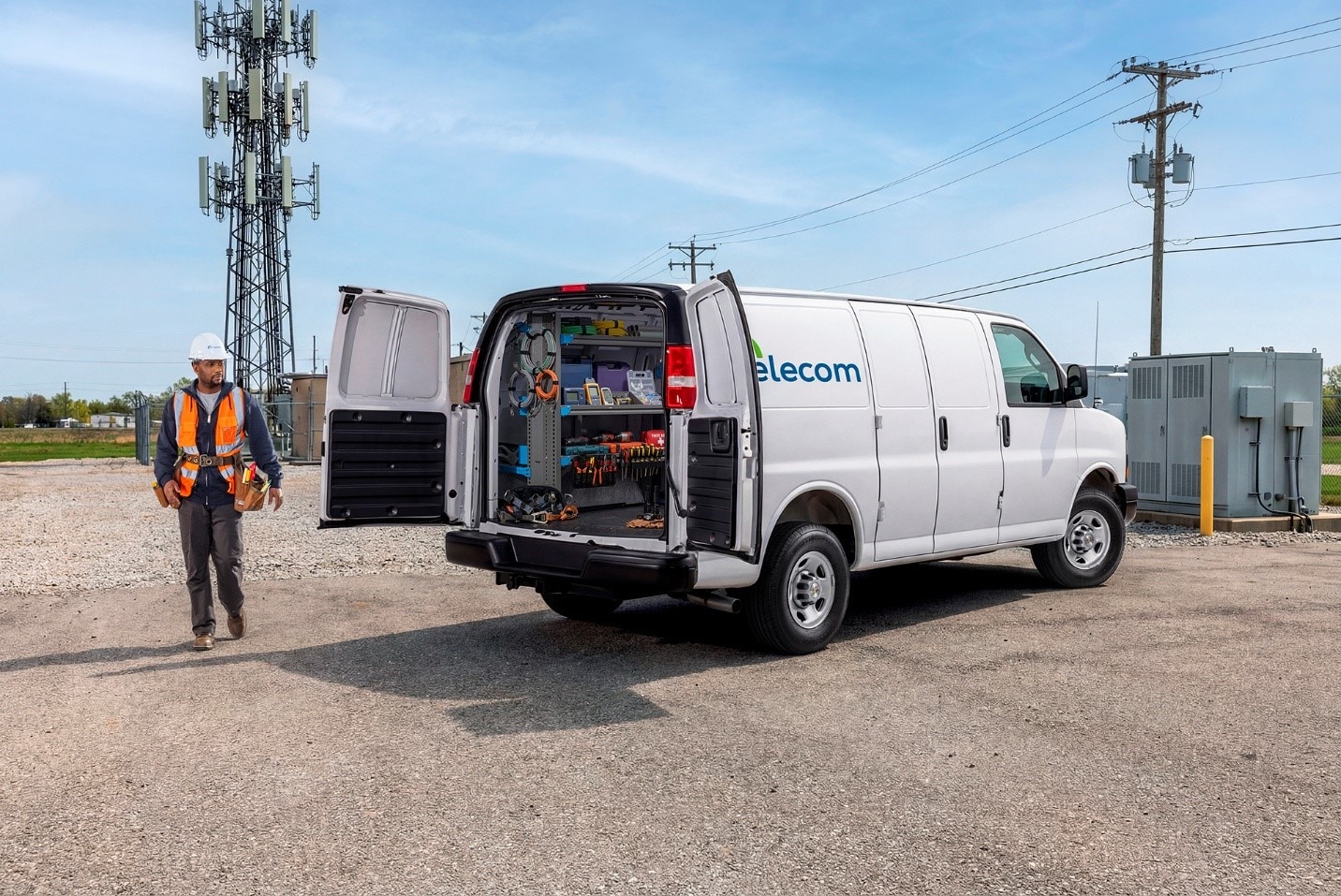
An electrician working throughout Frankfort and Orland Park may benefit from a cargo van with organized storage, while a landscaping company across Will County may need a Silverado 2500 HD. A delivery business near Mokena might prioritize fuel efficiency instead. Matching the vehicle to the job helps avoid overspending and improves efficiency.
Consider Total Cost of Ownership
Many business owners focus only on the purchase price. In reality, the total cost of ownership often has a bigger impact on profitability once you factor in fuel, insurance, maintenance and repairs, registration, tire replacement, and depreciation.
A lower-priced vehicle may cost more over time if fuel consumption is high or maintenance is frequent, so calculate estimated operating costs over three to five years for a clearer picture of the true investment.
Evaluate Vehicle Upfit Requirements
Many commercial vehicles require modifications before entering service, such as ladder racks, shelving systems, tool storage, or liftgates. Understanding these requirements early helps avoid delays, whether the fleet is based in Lansing, Bradley, or elsewhere across the region, and ensures the vehicle has the payload capacity to handle the upfit along with daily equipment needs.
Think About Driver Safety
Fleet vehicles spend significant time on Illinois roads, from expressways like I-80 and I-57 to busy suburban corridors, so driver safety should be a top priority. Many modern Chevrolet commercial vehicles offer features such as Forward Collision Alert, Automatic Emergency Braking, Lane Keep Assist, and Rear Vision Cameras, which reduce accident risk and can lower insurance costs for businesses with multiple drivers.
Plan for Future Growth
A fleet purchase should support both current operations and future expansion. Consider whether the business will add employees, whether service areas near Homer Glen or Joliet will expand, and whether equipment or towing needs might increase. A contractor with one trailer today may eventually need larger towing capacity as projects grow more complex, so planning ahead can prevent another costly upgrade later.
Understand Financing and Fleet Programs
Many business owners assume fleet purchases require large cash investments. In reality, commercial financing solutions can help preserve working capital while offering predictable monthly payments, potential tax advantages, and easier budgeting. Working with a dealership experienced in commercial sales can help businesses find financing structures that align with their goals.
Consider Maintenance and Service Support
Vehicle downtime directly impacts productivity. Before selecting fleet vehicles, evaluate the service support available after the sale, including whether commercial service is available locally, appointments are easy to schedule, and certified technicians and fleet maintenance support are on hand. For businesses operating throughout Tinley Park, New Lenox, and the greater Chicago area, reliable commercial service helps keep vehicles on the road and revenue flowing.
Choose Vehicles That Reflect Your Brand
Fleet vehicles are mobile advertisements. Customers form opinions based on the condition and professionalism of company vehicles, so it’s worth considering how consistent they look across the fleet and how easily they accept company graphics. A well-maintained fleet strengthens brand recognition and builds trust with customers throughout the communities you serve, from Orland Park to Bradley.
Best Chevrolet Fleet Vehicles for Growing Businesses
The ideal fleet vehicle depends on your industry. The Silverado 1500 suits contractors needing light-duty towing and hauling, while the Silverado HD Series is built for heavy-duty towing and demanding job sites. The Express Cargo Van works well for delivery companies and tradespeople needing enclosed storage, and the Colorado offers a maneuverable, fuel-efficient option. A commercial vehicle specialist can help identify which configuration best fits your operation.
Find the Right Fleet Vehicles at Phillips Chevrolet
Adding vehicles to your fleet is a significant business decision. By evaluating vehicle capabilities, ownership costs, safety features, service support, and future growth plans, businesses can make investments that support long-term success.
If you’re considering expanding your commercial fleet, the team at Phillips Chevrolet can help you explore trucks, vans, and commercial vehicle solutions for businesses throughout Frankfort, Chicagoland, and Illinois, as well as financing and upfit options for your operation.
When you visit Phillips Chevrolet, with locations in Frankfort, Lansing, and Bradley, you’re visiting the best in the business. Family-owned and operated for over 50 years, we don't just sell cars; we build relationships. Our commitment to excellence has earned us the title of Cars.com 'Chevrolet Dealer of the Year' ranking #1 in the United States among over 3,000 Chevy dealerships and recognition as the #1 Selling Chevy Dealer in Illinois for 20 years in a row. We are also a JD Power 'Dealer of Excellence' and proudly maintain an A+ Rating with the Better Business Bureau. With Illinois’ largest Chevrolet inventory and a team dedicated to award-winning service, we’re ready to help you find your next dream car.
FAQ: Fleet Vehicles for Businesses
Q: How many vehicles qualify as a fleet?
A: Fleet qualifications vary by manufacturer, but businesses can often access fleet purchasing benefits with as few as several vehicles.
Q: Should a business buy or lease fleet vehicles?
A: The right choice depends on cash flow, vehicle usage, and long-term plans. Both options offer advantages depending on the business model.
Q: What is the most important factor when choosing a fleet vehicle?
A: The vehicle’s ability to perform the required job reliably and efficiently is typically the most important consideration.
Q: Can fleet vehicles be customized?
A: Yes. Many commercial vehicles can be upfitted with shelving, racks, utility bodies, and branding graphics.
Q: Are newer fleet vehicles worth the investment?
A: Modern vehicles often provide improved safety technology, better fuel efficiency, and lower maintenance costs compared to older models.