

Twenty thousand dollars used to feel like a tight budget for a used car. Today, it’s actually a sweet spot. Automakers have spent the last decade packing more safety tech, better fuel economy, and longer-lasting components into mainstream vehicles, which means a well-chosen used car under $20,000 can still deliver years of dependable driving. The challenge isn’t finding a car in that price range. It’s finding the right one, especially if you’re navigating Chicagoland’s mix of expressway commutes, stop-and-go traffic, and brutal winters.
Here’s how to shop smart and drive away with something you can actually trust.
Start With Total Cost of Ownership, Not Sticker Price
A car priced at $18,500 isn’t automatically a better deal than one priced at $19,800. What matters is what happens after you buy it. Two vehicles at nearly the same price can have wildly different costs once you factor in fuel economy, insurance rates, and how often that particular model tends to need repairs.
Before you fall in love with a listing, look up the specific trim’s reliability history and average annual maintenance cost. A car that’s cheap to buy but expensive to keep running isn’t actually a deal.
Mileage Matters Less Than Maintenance Records
Buyers often treat odometer readings like a scorecard, assuming lower is always better. In reality, a vehicle with 70,000 highway miles and a documented service history is usually a safer bet than one with 45,000 miles and no paperwork trail. Highway miles are gentler on an engine than short city trips, which involve more stop-and-start wear, something drivers grinding through traffic on I-80, I-57, or the Bishop Ford know all too well.
Ask for service records. If a seller can’t produce them, treat that as a red flag rather than a minor inconvenience.
Know Which Vehicle Categories Hold Up Best Under $20,000
Not every segment ages the same way. Compact and midsize sedans, along with smaller SUVs, tend to offer the most reliable options in this price range because they’re produced in high volume, which means more parts availability and more mechanics familiar with their quirks. Trucks and larger SUVs under $20,000 are usually older or higher mileage, since their new-vehicle prices are steeper to begin with.
If you need cargo space or all-wheel drive for Illinois winters, a compact SUV is often the better trade-off than stretching for an aging full-size truck.
Get a Vehicle History Report, Then Verify It Independently
A clean CARFAX or AutoCheck report is a good starting point, but it’s not the finish line. These reports rely on reported incidents, and gaps happen. Pair the report with a pre-purchase inspection from a trusted mechanic, and physically check for signs of flood or accident damage: mismatched paint, uneven panel gaps, or a musty interior smell.
This step matters even more for cars that have spent time in the Chicago area, where road salt accelerates rust on the undercarriage and brake lines. Have the inspector specifically check for corrosion, not just mechanical function.
Test Drive in Real Conditions
A five-minute loop around a quiet parking lot won’t tell you much. Take the car onto an actual expressway on-ramp to see how it merges, and drive it through a few stop-and-go intersections to check the transmission’s behavior at low speeds. If you’re shopping in the south suburbs, a quick drive through Frankfort or Orland Park side streets combined with a stretch of highway gives you a realistic sense of how the car will handle your actual commute.
Buy From a Dealer With Transparent Pricing
Private-party listings can sometimes undercut dealer prices, but they come without warranty protection, financing flexibility, or recourse if something goes wrong two weeks after purchase. A reputable dealership will show you the vehicle’s history, offer a written inspection summary, and give you a straightforward price instead of a negotiation game.
That transparency is worth paying for. It’s the difference between a car you can trust and one you’re gambling on.
Ready to Find Yours?
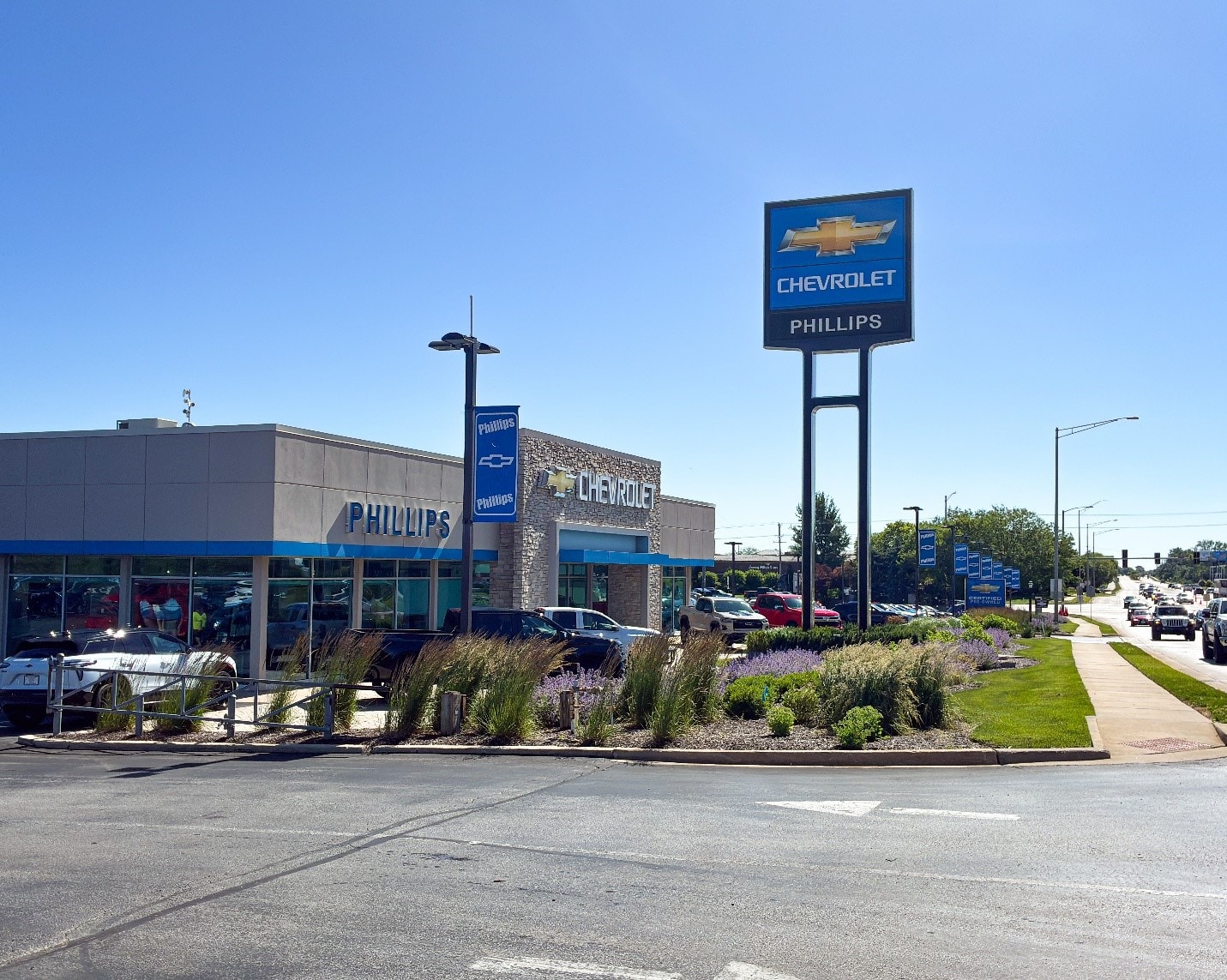
Finding a reliable used car under $20,000 comes down to asking the right questions and buying from a team that has nothing to hide. Phillips Chevrolet’s pre-owned inventory is inspected, priced transparently, and backed by a team that will walk you through every vehicle’s history before you commit to anything. Stop by our Frankfort, Lansing, or Bradley location, or browse our current inventory online, and let us help you find a used car that’s built to handle everything your Chicagoland commute throws at it.
FAQ: Buying a Reliable Used Car Under $20,000
Q: What’s the best mileage range for a used car under $20,000?
A: There’s no universal cutoff. A car with 60,000 to 80,000 miles and complete service records is often more reliable than a lower-mileage vehicle with no maintenance history. Focus on documentation over the odometer alone.
Q: Are certified pre-owned vehicles worth the extra cost under this budget?
A: Yes, when available in this price range. Certified pre-owned vehicles typically come with an extended warranty and a multi-point inspection already completed, which reduces your risk significantly.
Q: How do Chicago winters affect used car reliability?
A: Road salt accelerates rust on the undercarriage, brake lines, and exhaust system. Always have a used car inspected for corrosion before buying, especially one that’s spent multiple winters in the region.
Q: Should I avoid trucks and SUVs under $20,000?
A: Not necessarily, but expect higher mileage or older model years compared to sedans in the same price range. If space or all-wheel drive is a priority, a compact SUV usually offers a better balance than a full-size truck at this budget.
Q: What documents should I ask for before buying?
A: Request the vehicle history report, service and maintenance records, and a copy of the pre-purchase inspection if one was done. A dealer should be able to provide all of this without hesitation.