

If you’ve typed “Chevy dealer near me” into your phone while sitting in traffic on I-80, you already know the problem isn’t finding a dealership. It’s finding one you can trust. Chicagoland has no shortage of Chevrolet lots, but reliability isn’t just measured by how many cars are on the lot. It’s measured by what happens after you drive off it.
Here’s what actually separates a dependable Chevy dealer from one that’s just another stop on your search results page.
Start with Longevity, Not Just Reviews
Online reviews matter, but they’re easy to game and hard to verify. A dealership’s track record over decades tells you something reviews can’t: whether people keep coming back. A shop that’s been serving the south suburbs for 50-plus years, through changing ownership trends in the auto industry, has survived because customers trust it, not because of a clever ad campaign.
Ask how long the dealership has been in business, and ask whether it’s independently or family-owned. Family-owned dealerships tend to have more skin in the game locally. Their name is attached to the business in a way that a corporate rooftop isn’t, and that tends to show up in how they treat customers.
Check Their Standing with Third-Party Ratings Organizations
Anyone can claim to be trustworthy. Independent verification is what actually backs it up. Look for dealerships that hold recognitions from organizations that don’t have a financial stake in the outcome, such as J.D. Power or the Better Business Bureau. A dealership with an A+ BBB rating has a documented history of resolving customer concerns fairly, not just a slogan promising it.
Sales volume rankings matter too, but read them correctly. A dealership that consistently ranks as a top seller in Illinois year after year isn’t just moving inventory. It’s earning repeat business and referrals in a market where drivers have plenty of other options between Frankfort, Orland Park, Tinley Park, and Joliet.
Look at Their Inventory Depth, Not Just Their Lot Size
A reliable dealer should have enough Chevrolet inventory that you’re not settling for whatever happens to be in stock. This matters more in Chicagoland than in smaller markets because commute demands here are specific. Someone driving the Bishop Ford daily needs different things from their vehicle than someone doing weekend trips up to Wisconsin. A dealership with Illinois’ largest Chevrolet inventory gives you the room to actually compare trims, drivetrains, and configurations instead of being pushed toward the one Equinox on the lot.
Ask About Their Pricing Philosophy Upfront
This is where a lot of Chicago-area buyers get burned. Some dealerships treat pricing as a negotiation game, where the sticker price is just an opening bid designed to be talked down through pressure tactics. A dealership worth your time should be upfront about how it prices vehicles, ideally with a transparent, no-haggle structure that applies to every customer the same way. If a dealer won’t explain their pricing approach clearly before you set foot on the lot, that’s a signal worth paying attention to.
Evaluate the Service Department, Not Just the Sales Floor
Reliability doesn’t end at the purchase. Chicago winters are brutal on vehicles, and a dealership’s service department is where you’ll find out whether the “reliable” label actually holds up. Ask about appointment availability, whether they handle warranty work efficiently, and whether their technicians are factory-trained on Chevrolet-specific systems. A dealer that’s recognized for award-winning service, not just award-winning sales numbers, is one built for the long haul with you, not just the day of purchase.
Consider How They Treat the Sales Process Itself
A commission-based sales structure can quietly shape how you’re treated on the lot, since a salesperson’s paycheck may depend on upselling you. Dealerships that operate on a non-commission model tend to have less incentive to push add-ons or steer you toward a higher-margin vehicle instead of the one that actually fits your life. It’s a small structural detail that has an outsized effect on your buying experience.
Find Your Next Chevy at a Dealership Built on Trust
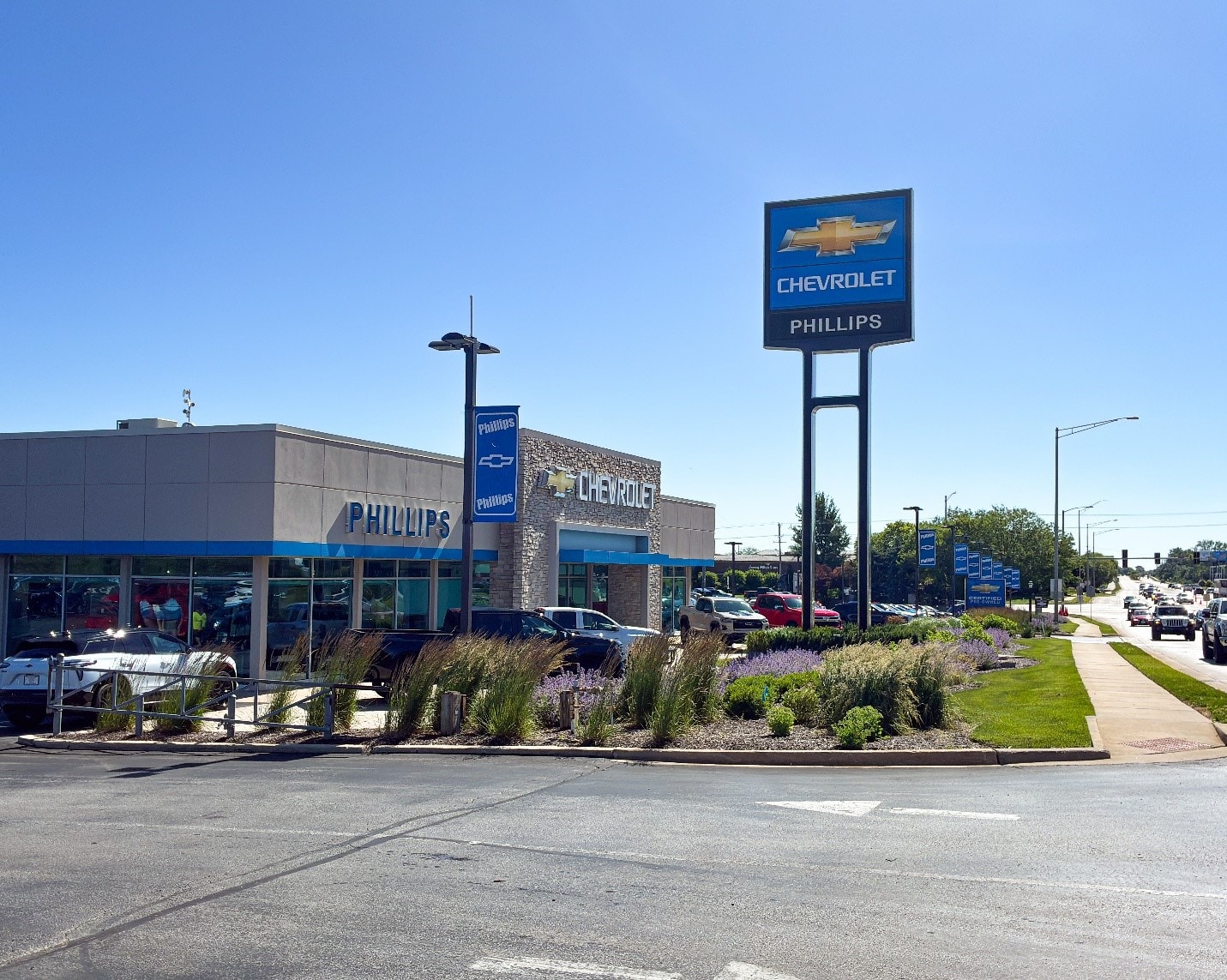
Choosing a Chevy dealer near Chicago comes down to one question: who’s going to be there for you after the sale, not just during it. If you’re ready to work with a team that’s spent decades earning that trust across the south suburbs, stop by Phillips Chevrolet and see the difference for yourself.
When you visit Phillips Chevrolet, with locations in Frankfort, Lansing, and Bradley, you’re visiting the best in the business. Family-owned and operated for over 50 years, we don't just sell cars; we build relationships. Our commitment to excellence has earned us the title of Cars.com 'Chevrolet Dealer of the Year, ' ranking #1 in the United States among over 3,000 Chevy dealerships and recognition as the #1 Selling Chevy Dealer in Illinois for 20 years in a row. We are also a JD Power 'Dealer of Excellence' and proudly maintain an A+ Rating with the Better Business Bureau. With Illinois’ largest Chevrolet inventory and a team dedicated to award-winning service, we’re ready to help you find your next dream car.
FAQ: Finding a Reliable Chevy Dealer Near Chicago
Q: What’s the most reliable way to check if a Chevy dealer is trustworthy?
A: Look for independent, third-party recognitions like J.D. Power awards and BBB ratings rather than relying only on the dealership’s own marketing claims.
Q: Does a bigger inventory actually matter when choosing a dealer?
A: Yes. A deeper inventory means more trims and configurations to compare, so you’re less likely to settle for a vehicle that doesn’t quite fit your needs.
Q: Should I care whether a dealership is family-owned?
A: It’s a meaningful signal. Family-owned dealerships often have stronger local accountability and longer track records of customer retention.
Q: How does Chicago weather factor into choosing a dealer?
A: A strong service department matters as much as the sales team, since harsh winters put extra strain on vehicles and reliable maintenance support becomes essential.
Q: Is a no-haggle pricing model actually better for buyers?
A: For most buyers, yes. Transparent, consistent pricing removes the guesswork and pressure that come with traditional negotiation-based sales.